













When U.S. Treasury yields move, the world follows. On Wednesday, Sept. 23, 2026, the 10-year Treasury yield climbed to roughly 5.1% — its highest since 2007 — after the strongest U.S. business activity data in more than five years raised the odds of another Federal Reserve rate hike. The effects rippled across global markets, lifting borrowing costs, pressuring currencies and weighing on equities from Sydney to Mumbai.
Bloomberg captured the scale of the move in a headline carried on Finviz: “Tumbling Global Government Bonds Put Yields on Brink of 4%.” That refers to the aggregate yield on government debt worldwide — a level that would mark a dramatic shift for a global financial system that spent much of the 2010s with near-zero or negative rates.
Why U.S. Yields Drive Global Rates
The U.S. Treasury market is the benchmark for global finance. When U.S. yields rise, investors worldwide demand higher returns on other assets to compete. Capital tends to flow toward the dollar, strengthening it and putting pressure on other currencies. Countries with dollar-denominated debt see their repayment costs rise. And central banks elsewhere face a difficult choice: raise their own rates to defend their currencies, or accept weaker exchange rates and the imported inflation that comes with them.
Japan: The Yen Approaches a Red Line
Bloomberg reported that yen intervention risk is re-emerging as the currency nears 160 per dollar. That level has historically prompted Japan’s Ministry of Finance to intervene in currency markets by selling dollars and buying yen. The widening gap between U.S. and Japanese interest rates is the main driver of yen weakness.
Japan’s economic signals are mixed. Reuters reported that Japan’s factory activity growth slowed in September, according to PMI data, and Bloomberg noted that Tokyo used-condominium prices fell for the first time in more than two years. Yet Japan’s Nikkei stock index rose on Wednesday as an “AI catch-up rally” outweighed worries about rising yields, according to Bloomberg. One analysis featured on Finviz this week argued that “Japan breaks the ‘debt causes inflation’ narrative” — a reminder that Japan’s decades of high public debt without runaway inflation remain a key case study for economists debating fiscal sustainability elsewhere.
Australia: Inflation Worries Return
Reuters reported that Australian shares hit a more-than-three-month low as the oil rally revived inflation concerns. At the same time, Bloomberg reported that Australian unemployment climbed to 4.6% even as the economy added jobs — a sign that labor supply is growing faster than demand. The combination of rising unemployment and renewed inflation pressure from energy leaves the Reserve Bank of Australia in a difficult position.
India: A Landmark Listing Amid $100 Oil
India’s markets faced crosscurrents. Reuters reported that Indian shares were set to open lower as crude rose above $100. India imports most of its oil, so higher crude prices weigh on its trade balance, currency and inflation.
But the week also brought a milestone: the National Stock Exchange of India is set for its trading debut. Reuters said modest gains were expected, while Bloomberg framed the listing as a “test of India investor faith in long-term growth.” As one of the world’s largest exchanges by trading volume, NSE’s public listing is a major event for Indian capital markets. Separately, Bloomberg reported that Indian copper producers are seeking a tax cut to navigate a record rally in copper prices.
South Korea: Policy Meets the AI Trade
South Korea sits at the intersection of two major themes: the AI hardware boom and U.S. trade policy. A macro research blog on Finviz described the KOSPI as “where policy meets the AI trade.” Korea also reportedly picked a $22 billion Texas gas plant as the first down payment on its $350 billion investment pledge to the U.S., illustrating how trade agreements are channeling allied capital into American energy and manufacturing.
Europe and the U.K.
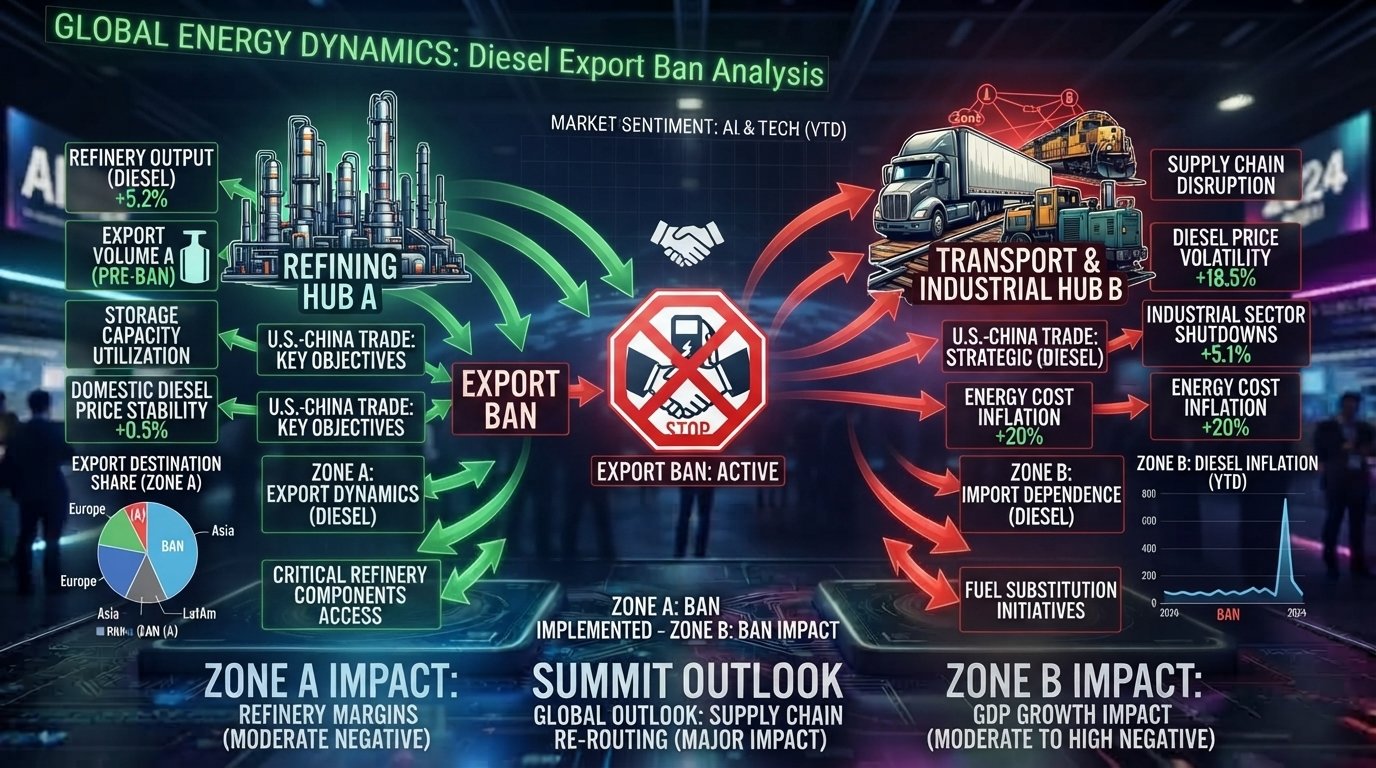
In Europe, corporate activity continues. Bloomberg reported that Schneider Electric is near a deal for smart-device firm Shelly. In the U.K., Bloomberg reported that creditors of Thames Water plan a new rescue deal to avert state control — a high-profile example of how higher interest rates are testing heavily indebted utilities. Energy remains a concern across the continent, with high diesel prices and a possible U.S. diesel export ban posing risks for European importers.
Geopolitically, Ukrainian President Volodymyr Zelensky told the United Nations that Russia’s budget deficit is “bigger than any other year” and called for more sanctions. A Reuters commentary this week was headlined simply: “Diplomacy takes a back seat.”
The Americas
In Latin America, Hurricane Polo disrupted Mexican ports, putting key Asia trade gateways at risk. In Venezuela, Bloomberg reported that leader Rodríguez vowed an “orderly” return to democracy, and analysts are examining the potential for a Venezuelan oil deal — which could eventually add supply to global markets.
U.S. Markets in Global Context
Finviz data from Wednesday’s U.S. session show the domestic impact of rising yields: 72.2% of stocks declined, and only the Energy sector (+0.84%) rose. Rate-sensitive sectors fell hardest, including Utilities (−1.83%) and Real Estate (−1.50%). Precious metals collapsed, with the Silver industry down 7.24% as a stronger dollar and higher real yields undercut non-yielding assets.
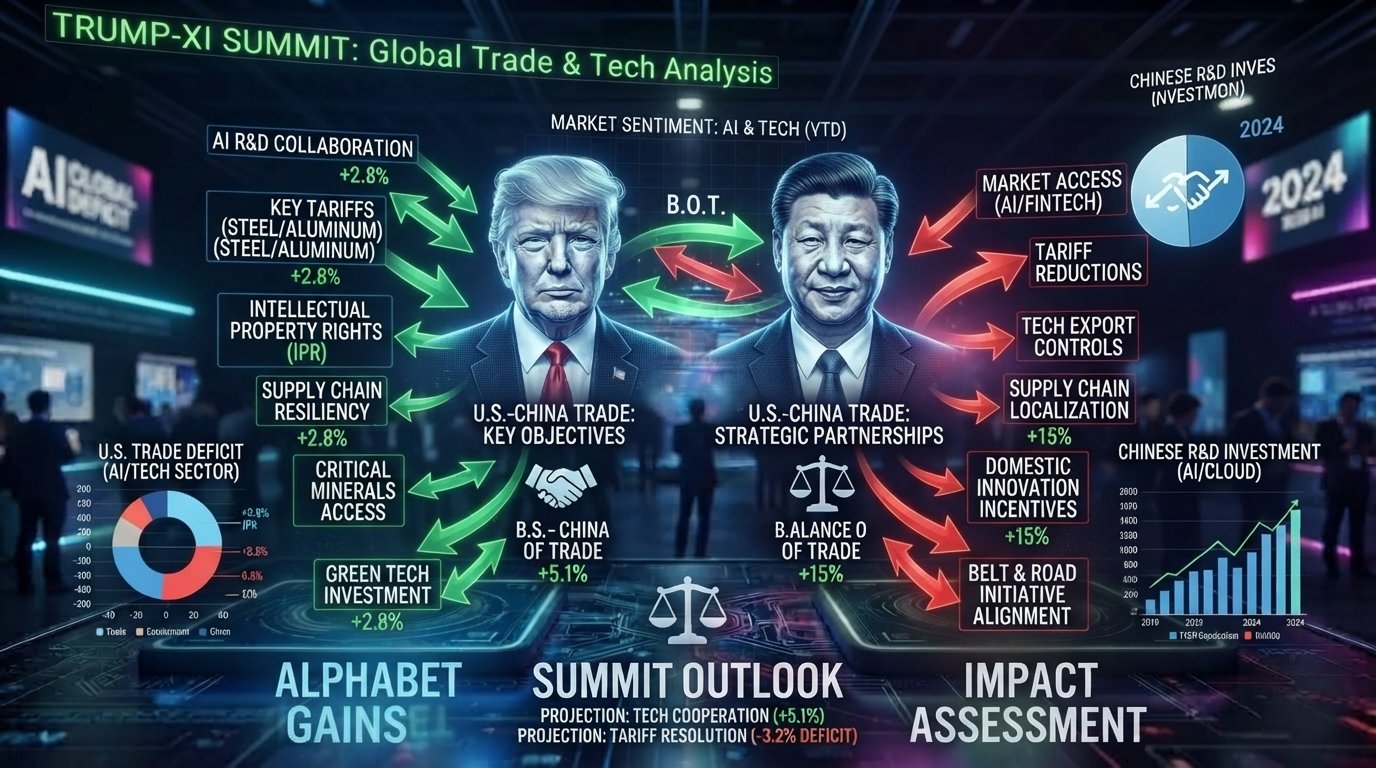
Meanwhile, the U.S.-China relationship is in focus as President Xi Jinping begins a state visit. Treasury Secretary Scott Bessent said the U.S.-China trade truce has been extended for two months. China’s cooperation — or lack of it — on trade, AI chips and Iranian oil will shape global markets well beyond the U.S.
Key Questions for Economists
- Is a global rate reset underway? If aggregate government bond yields settle near 4%, many countries face substantially higher debt-servicing costs for years to come.
- Will currency intervention return? Japan’s response at 160 yen per dollar could set the tone for other Asian central banks facing weaker currencies.
- How will energy importers cope? India, Japan, South Korea and much of Europe are highly exposed to $100 oil, which acts as a tax on their consumers and a drag on growth.
- Can emerging markets withstand a strong dollar? Countries with large dollar debts are most vulnerable when U.S. rates rise and the dollar strengthens.
For Policymakers
The Fed’s decisions reverberate far beyond U.S. borders. The Sept. 16 rate hike to 3.75%–4.00%, and the market’s expectation of more to come, are forcing other central banks to reassess their own policies. Coordination among major economies — on energy supply, trade and financial stability — may prove as important as individual central bank decisions in navigating what increasingly looks like a synchronized global tightening of financial conditions.
For investors, the message is that geographic diversification does not provide as much protection when the driver is a global rise in the cost of capital. Understanding how each market is exposed to U.S. rates, the dollar and energy prices has rarely been more important.
Data source: Finviz sector, industry and breadth data as of the Sept. 23, 2026 close; global headlines via Finviz news and blogs feeds (Bloomberg, Reuters, Capital Flows Research, Real Investment Advice). This article is for informational purposes only and is not investment advice.