








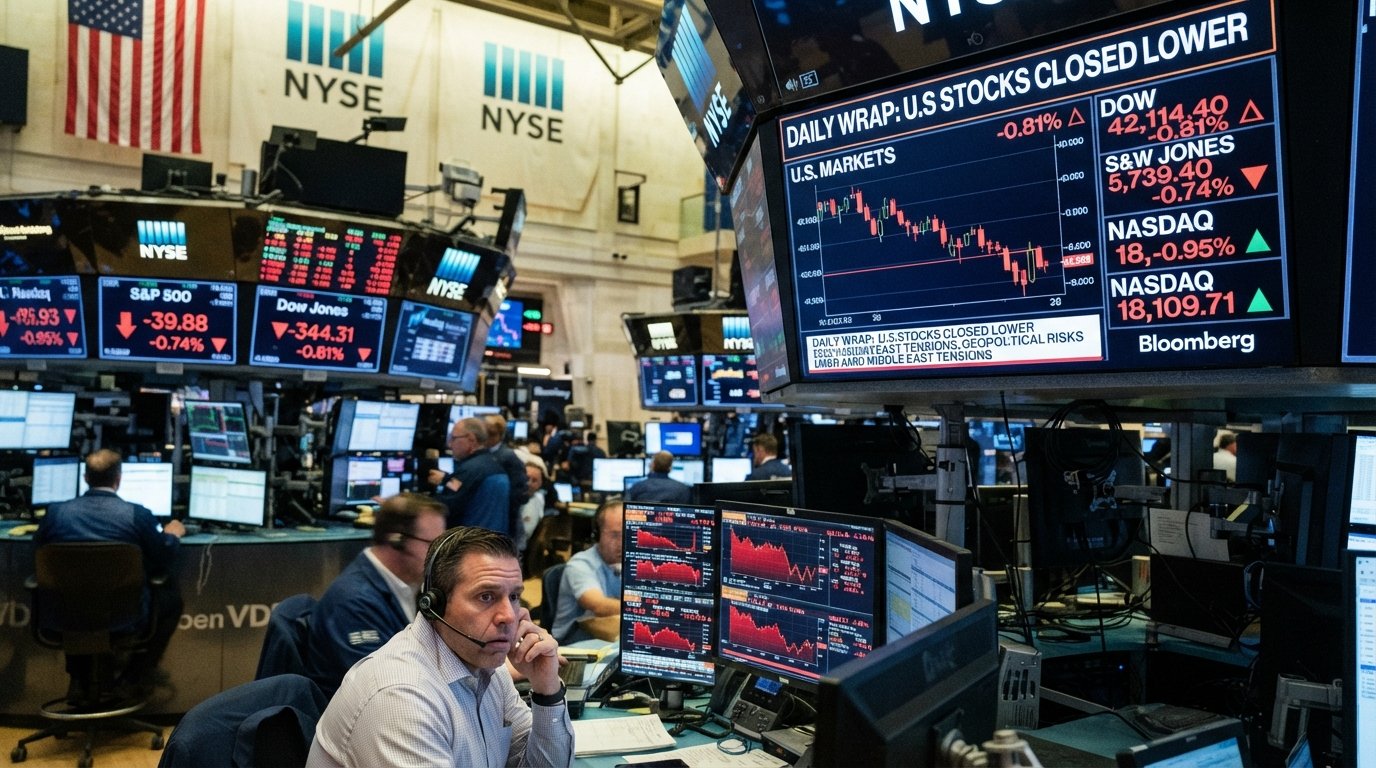
Corporate insiders — executives, directors and large shareholders — know more about their companies than anyone else. That is why investors and market watchers pay close attention to their trades, which must be reported to the Securities and Exchange Commission. Finviz’s insider trading tracker, which compiles these filings, showed several notable transactions in the days leading up to Wednesday, Sept. 23, 2026, including a nine-figure proposed sale, a sustained run of director selling and a large open-market purchase.
The Latest Insider Transactions
| Ticker | Insider | Relationship | Date | Transaction | Price | Shares | Value |
|---|---|---|---|---|---|---|---|
| TRMD | OCM Njord Holdings S.a r.l. | 10% Owner | Sep 23 | Proposed Sale | $34.63 | 5,000,000 | $173,150,000 |
| CV | Harari Eliyahou et al | 10% Owner | Sep 18 | Buy | $5.69 | 1,757,469 | $9,999,999 |
| BLSH | Bliss Andrew | Director | Sep 22 | Sale | $40.79 | 108,200 | $4,413,056 |
| BLSH | Bliss Andrew | Director | Sep 21 | Sale | $40.20 | 76,953 | $3,093,888 |
| BLSH | Bliss Andrew | Director | Sep 23 | Sale | $40.22 | 59,976 | $2,412,031 |
| ABUS | Nguyen Tuan | CFO | Sep 18 | Option Exercise | $3.57 | 293,100 | $1,047,646 |
| GCT | Bernes Marshall | Head of Brand Center | Sep 22 | Sale | $53.58 | 15,703 | $841,444 |
| GCT | Bernes Marshall | Head of Brand Center | Sep 21 | Sale | $53.47 | 12,000 | $641,686 |
| ACHR | Lyon Benjamin | President, Aircraft OEM | Sep 21 | Sale | $5.43 | 45,359 | $246,299 |
| SOFI | Keough Kelli | EVP | Sep 21 | Sale | $16.99 | 10,203 | $173,310 |
| BPRE | MacDonald Ryan S | Director | Sep 21 | Buy | $11.97 | 10,400 | $124,522 |
| DFDV | Kang Daniel | Chief Strategy Officer | Sep 22 | Buy | $8.84 / $8.81 | 10,440 | $92,183 |
Selected transactions from Finviz’s insider trading page. DFDV figures combine two purchases on the same day.
The Biggest Trade: A $173 Million Proposed Sale
The largest transaction by far was a proposed sale of 5 million TRMD shares by OCM Njord Holdings, a 10% owner, valued at about $173.15 million at $34.63 per share. A “proposed sale” typically reflects a Form 144 filing, which notifies regulators that an affiliate intends to sell restricted or control securities. It does not guarantee the sale will occur, nor does it specify timing.
Large holders such as private equity and investment funds sell stakes for many reasons unrelated to a company’s prospects: fund life cycles, portfolio rebalancing or the desire to lock in gains. TRMD operates in product tanker shipping, an industry that has benefited enormously from disrupted trade routes and elevated freight rates. One widely circulated analysis this week noted that average supertanker day rates have soared to about $1.2 million, up from roughly $29,900. A large holder choosing to monetize part of a stake in such an environment is not unusual. However, a sale of this size can create an overhang on the stock if the market expects more shares to come.
Sustained Director Selling at BLSH
Director Andrew Bliss sold BLSH shares on three consecutive days — Sept. 21, 22 and 23 — for a combined 245,129 shares worth about $9.92 million, at prices between $40.20 and $40.79. Consecutive sales of this kind are often executed under a pre-arranged Rule 10b5-1 trading plan, which allows insiders to sell on a schedule set in advance to avoid accusations of trading on inside information. Investors should check the filings for footnotes indicating whether a 10b5-1 plan was in place.
The Notable Buy: Nearly $10 Million in CV
On the buy side, a 10% owner group led by Eliyahou Harari purchased 1,757,469 CV shares at $5.69 each, for a total of $9,999,999. The round-number total suggests a negotiated or structured purchase, such as a private placement, rather than gradual open-market buying. Either way, a large holder committing roughly $10 million of additional capital is a meaningful vote of confidence.
Smaller purchases also appeared. A director at BPRE bought 10,400 shares worth about $124,500, and DFDV’s chief strategy officer bought a combined 10,440 shares for about $92,200. BioCardia’s CEO, Peter Altman, bought 1,900 shares of BCDA at $1.05 — a small amount, but open-market purchases by chief executives are often viewed as a signal of personal conviction.
Option Exercises Are Different
Four ABUS insiders — the CEO, the CFO and two directors — recorded option exercises on Sept. 18, ranging from about $3.30 to $3.88 per share. An option exercise converts previously granted stock options into shares. It is part of compensation, not an open-market decision to buy, and is often followed by the sale of some shares to cover taxes. Investors generally treat option exercises as neutral unless the shares are held afterward.
How to Interpret Insider Activity
Research has long suggested that insider purchases carry more informational value than insider sales. The reasoning is intuitive: insiders sell for many reasons — diversification, taxes, home purchases, estate planning — but they generally buy for only one reason: they expect the stock to rise.
Useful guidelines for reading insider data include:
- Cluster buying matters more than single buys. When several insiders buy at the same time, the signal is stronger.
- Size relative to holdings matters. A $100,000 purchase means more from an executive with modest holdings than from a billionaire founder.
- Check for 10b5-1 plans. Pre-scheduled sales carry less information than discretionary ones.
- Consider the role. CEOs and CFOs typically have the broadest view of company performance.
- Look at price context. Insider buying after a large price decline may signal that management views the drop as overdone.
Market Context
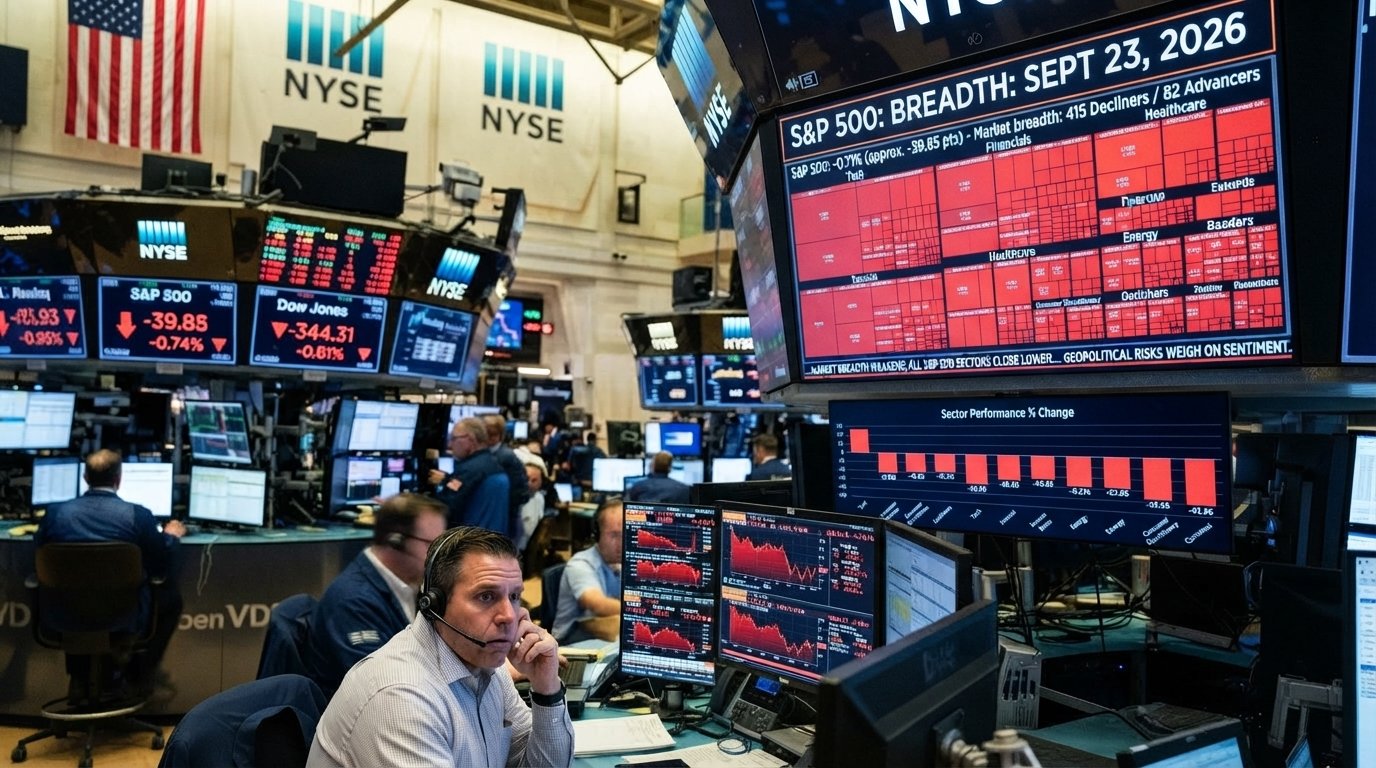
These transactions come against a challenging backdrop. Finviz data show 72.2% of stocks declined on Wednesday as the 10-year Treasury yield rose to roughly 5.1%, its highest since 2007. Only 32.5% of stocks trade above their 50-day moving averages. In such an environment, insider purchases can stand out as contrarian signals, while insider sales can add to pressure on already weak stocks.
Separately, the BBC reported this week that President Trump disclosed millions of dollars in share transactions in big technology and AI companies — a reminder that the question of who trades what, and when, extends well beyond corporate boardrooms and into the policy arena.
For Policymakers
Insider trading disclosure rules are among the pillars of market transparency. The SEC’s recent reforms to Rule 10b5-1, including cooling-off periods before trades can begin under a new plan, aim to reduce the risk that insiders time plans around material information. Transparent, timely disclosure — like the data compiled by Finviz — allows all investors to see what insiders are doing, supporting fair and orderly markets.
Insider data is one tool among many. It is most useful when combined with fundamental analysis, valuation and an understanding of each company’s specific circumstances.
Data source: Finviz insider trading page, compiled from SEC Form 4 and Form 144 filings, as of Sept. 23, 2026. This article is for informational purposes only and is not investment advice. NewsTodayDigest does not recommend buying or selling any security mentioned.